Building Africa: The High Cost of Inaction vs. the Price of Progress
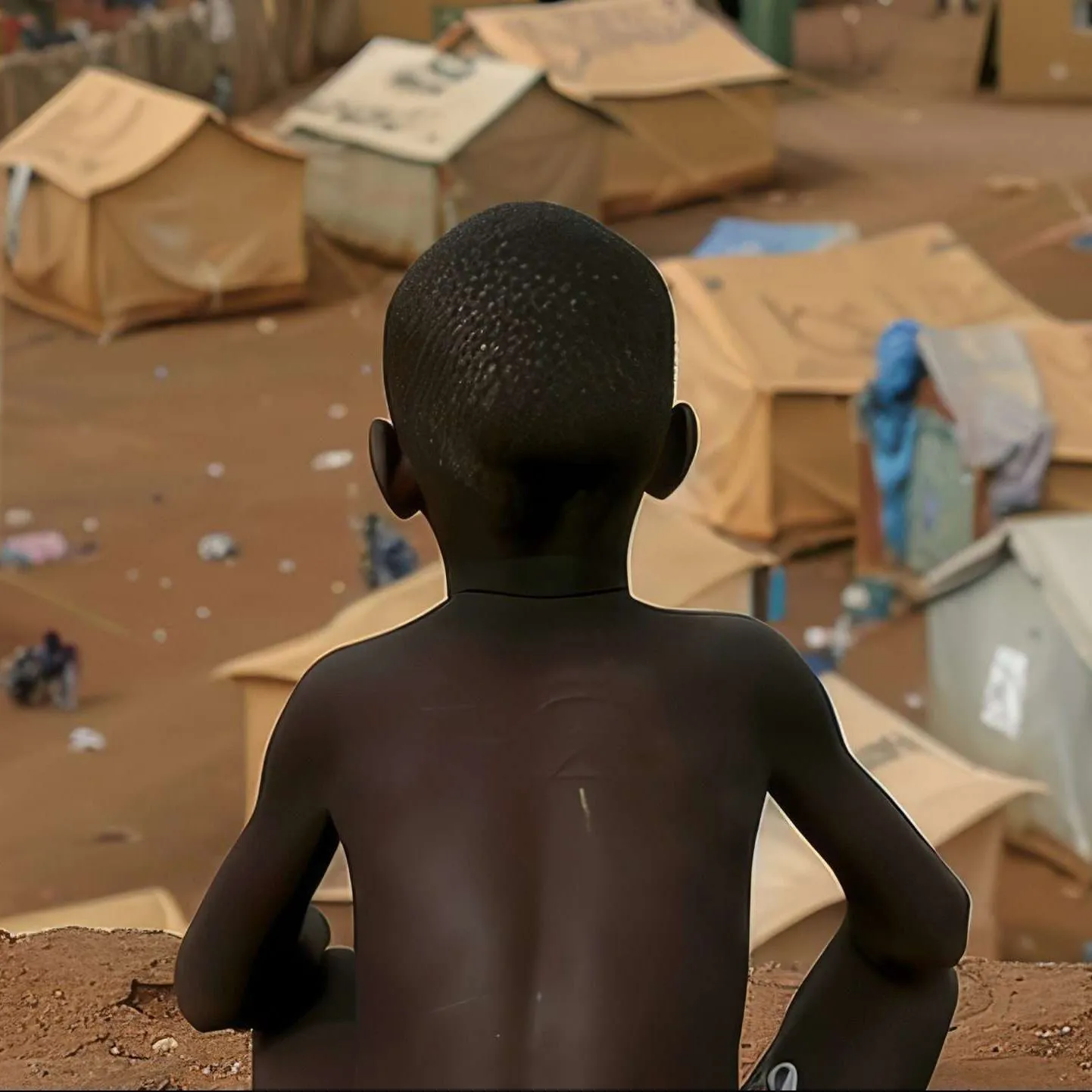
Good leadership often sparks positive change. Yet, some leaders fail to bring about change, not because they're bad people, but because they struggle with the core task of leading, a role that today typically requires both vision, boldness, wisdom, and drive. Inaction isn't just a problem for leaders and followers; it taints the entire leadership environment and impoverishes society. When leadership inaction becomes the norm, the cost of positive change in a society, measured in human lives and potential, becomes almost unimaginably high.
Africa, a continent brimming with potential, should be realizing development and positive changes. Its vast resources and youthful population offer great opportunities. However, leadership's failure to act or act right, whether due to the tolerance of mediocrity, poor leadership culture among the people, overly "politically protective" policies, or lack of courage and wisdom, hinders not only positive reforms but also the emergence of new voices across the continent. The ruling class must confront the reality of Africa's situation if the continent is to avoid becoming a wasteland of abandoned development for at least the next half-century.
Change, especially when it involves both quantity and quality, is neither easy nor cheap. It requires not just financial resources but also a fundamental shift in the mindset and culture of institutions. Change leadership involves making tough decisions and even tougher trade-offs. It calls for investments in society's foundations, education, health, and infrastructure, and in challenging the ideas and interests that resist change.
While change can be costly, inaction is far more expensive. Doing nothing perpetuates poverty, unemployment, and inequality. It allows corruption to thrive, erodes public trust, and leaves critical issues unresolved. For instance, failing to address the issue of illegal gold mining, known as 'galamsey' in Ghana, has led to severe environmental degradation, threatening water bodies, agriculture, and food security. Neglecting healthcare has resulted in numerous preventable deaths and a significant toll on public health. Failing to address education has left millions of young people without the skills to compete in a global economy. These aren't just costs; they're lost opportunities and lives.
Africa's future demands brave and visionary leaders who aren't afraid to seize opportunities and take action. These leaders must look forward, embrace innovative ideas, and accept the responsibility of public service. In Africa, however, the call for leadership extends beyond political office to every sector, business, community, and individual. Our collective responsibility ensures we'll drive progress, hold leaders accountable, and refuse to accept inaction as the norm.
The price of leadership inaction in Africa is too high. We must shift towards leadership that's not just present but effective, leadership that's accountable, responsible, and truly courageous. This is the kind of leadership that Africa's people deserve, that earns their respect, and that unequivocally prioritizes the development and immediate well-being of the people.